Blog
How the Silver Economy Is Shaping Real Estate Portfolios

Why senior living is steadily attracting long term capital
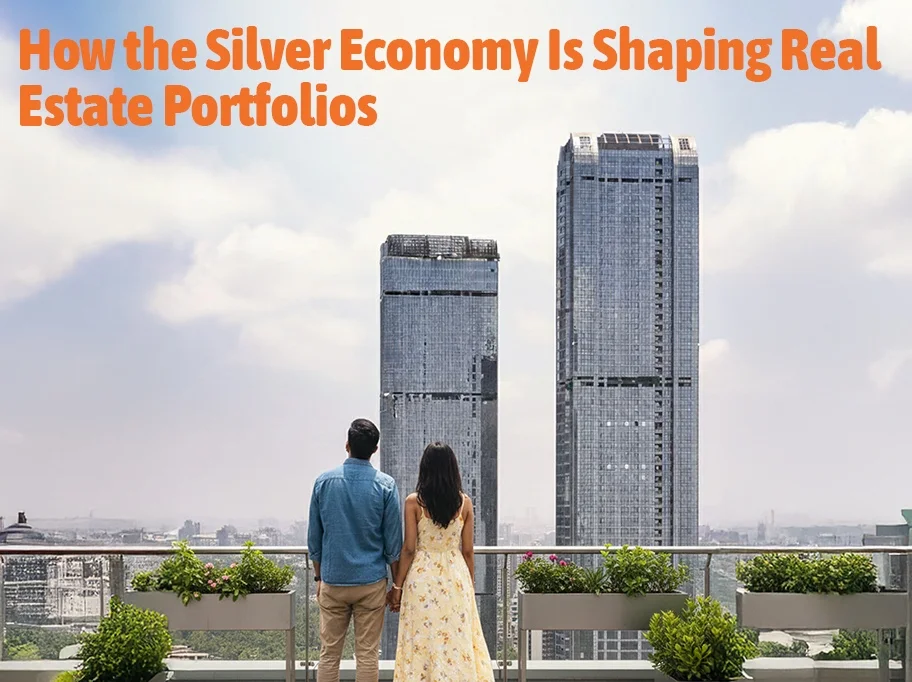
India is entering a pivotal chapter in how it thinks about ageing. The generation that once built cities, companies, and families is now asking a different question: where will I live well in my later years, not just where will I live. This shift is quietly reshaping real estate strategies and drawing long term capital towards one category in particular: senior living.
A new kind of economic engine
The “silver economy” describes older adults as active economic participants, not passive dependents. Today’s seniors are better informed, more financially aware, and far more vocal about the kind of life they want after retirement. They are looking for safety, healthcare access, and support, but also for sunlight, conversation, green spaces, hobbies, and a sense of belonging.
Industry estimates now suggest that India’s senior care and allied services market could reach tens of billions of dollars over the coming years, driven by longer lifespans, smaller family units, and rising retirement savings. In practical terms, this means more older adults who are willing to invest in environments that protect both their independence and their dignity.
Why senior living appeals to patient capital
From an investment lens, senior living sits at the intersection of three powerful qualities: demographic certainty, deep emotional relevance, and scope for services that go beyond basic housing. This combination is drawing the attention of investors who prefer steady, long horizon stories over short, speculative spikes.
Several factors stand out:
- Demand that compounds, not cycles: India’s population of older adults is growing fast and will continue to expand for decades, creating a steady base of demand for age ready housing. Unlike many housing segments that respond sharply to sentiment, the need for such homes is anchored in time and life stage.
- Homes that are lived in, not traded: Senior living communities are primarily end user driven. Families buy or move in for stability and care, not for a quick resale, which supports more stable occupancy.
- Earnings built on care and community: Thoughtfully designed senior living can build additional value through food and hospitality, physiotherapy, wellness services, social programming, and assisted care, creating recurring revenue streams over and above the home itself.
- Resilience when the cycle turns: Even in slower markets, families rarely compromise on health, safety, and basic support for parents. This gives senior living a defensive quality that many investors actively seek.
For long term capital, the attraction is clear: a real estate asset backed by human need, strengthened by services, and supported by visible demographic trends.
How portfolios are being quietly rebalanced
As the silver economy grows, senior living is moving from “interesting concept” to “necessary allocation” in many real estate strategies. Developers and investors are no longer treating it as a one‑off project but as part of a broader shift towards lifecycle based portfolios.
Three changes are becoming visible:
- Portfolios are being designed to follow the resident journey, from early career homes to family housing and then to senior communities that maintain continuity of care and community.
- The conversation is moving from isolated buildings to integrated ecosystems, where healthcare tie ups, wellness infrastructure, and community spaces sit alongside apartments and common areas.
- Brand, service quality, and resident experience are starting to matter as much as location, especially when families compare options for their parents, turning a one time decision into a long term relationship.
In many ways, senior living is pushing Indian real estate to think beyond square footage into routines, rituals, and relationships.
What this means for families
For Indian families, the silver economy is not just a market shift; it is an emotional shift. The decision to consider senior living often begins with small realisations: a parent skipping a medical appointment because there is no one to accompany them, a once sociable elder spending most of the day alone, or adult children worrying each time they see a missed call.
Modern senior living communities respond to these realities with a different promise:
- Daily life where health, safety, and support are present, but never overwhelming the sense of home.
- Opportunities for friendships, activities, and shared routines that keep loneliness at bay and give each day structure and meaning.
- Spaces planned for ageing bodies: ramps instead of stairs, grab rails where they are needed, better lighting, calmer layouts, and staff who understand the rhythms of senior life.
For many families, this is not about “sending parents away” but about choosing an environment that can actually do justice to the care they want their parents to receive, especially when work, distance, or health make constant personal supervision difficult.
J Estates’ role in this shift
As India’s silver economy gathers momentum, J Estates has chosen to place senior living at the centre of its thinking, not at the margins. The focus is on communities that combine architecture, nature, and care into everyday life: senior friendly homes, thoughtfully planned green spaces, areas for celebrations and quiet moments, and access to on ground support when it is needed.
In doing so, J Estates is not only responding to a demographic trend. It is helping families reimagine what independent, supported ageing can look like, and giving long term capital a real estate story rooted in responsibility as much as in return.