Blog
Infrastructure Readiness for an Ageing Society: Are Indian Cities Prepared for Rising Senior Density?

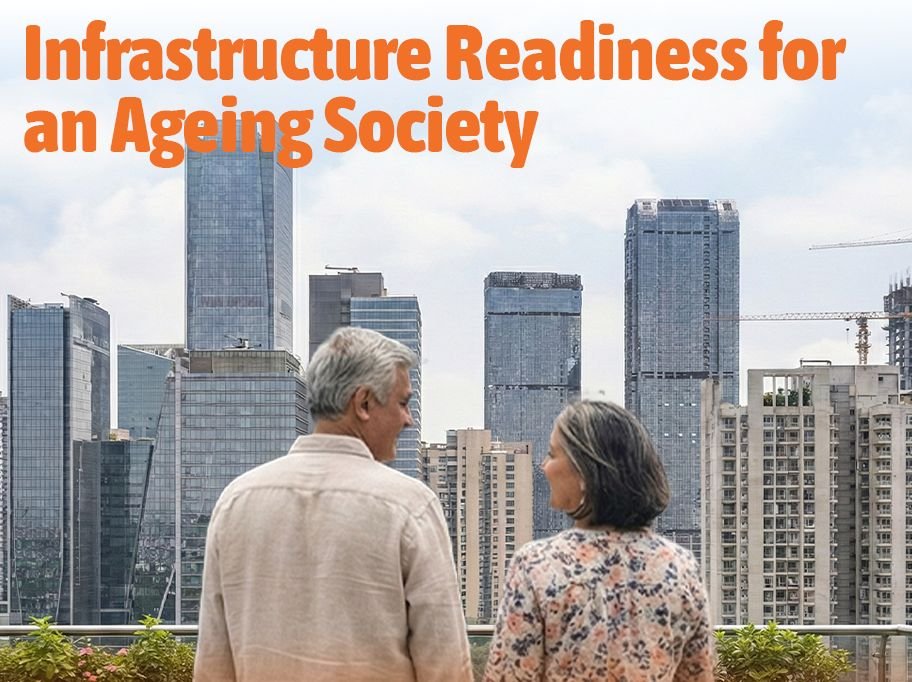
India’s elderly population is surging, projected to reach 173 million by 2026, yet urban infrastructure lags far behind this demographic shift. Major cities face critical gaps in accessibility and support systems, raising urgent questions about readiness for an ageing society.
The Growing Senior Population Challenge
India’s senior citizens, aged 60 and above, numbered around 104 million in 2011 and are expected to hit 173 million by 2026, forming about 12.4% of the total population. By 2036, this figure could climb to 230 million, or one in seven Indians, driven by longer life expectancies and falling fertility rates. Urban areas like Delhi-NCR, with high senior density, amplify the strain as traditional family support systems weaken amid rapid urbanization.
This shift demands proactive urban planning, but current setups prioritize youth and workforce needs over age-inclusive design.
Key Infrastructure Gaps in Indian Cities
Indian cities struggle with senior-friendly features, making daily life hazardous for the elderly.
- Inaccessible Public Spaces: Sidewalks lack ramps, elevators are rare in metro stations, and uneven roads pose fall risks, especially for those with mobility issues.
- Healthcare Shortfalls: Only 705 Senior Citizen Homes and limited geriatric facilities exist nationwide, insufficient for rising demand; many seniors face long waits for specialized care.
- Housing Limitations: Most urban homes ignore senior needs like grab bars, wide doorways, or emergency response systems, leading to isolation and dependency.
- Transport Barriers: Public buses and autos rarely accommodate wheelchairs, while affordable, door-to-door options for seniors remain scarce.
These deficiencies heighten vulnerability, with 23.8% of seniors reporting limitations in daily activities.
Government Efforts and Their Limits
Initiatives like Atal Vayo Abhyudaya Yojana (AVYAY) support 705 homes, 13 continuous care units, and aids via Rashtriya Vayoshri Yojana, benefiting nearly 8 lakh seniors. The Elderline helpline (14567) offers guidance, and reports call for more PPPs and Ayushman Bharat expansions for elderly care.
Yet, supply lags demand: Urban planning overlooks age-friendly mandates, leaving cities reactive rather than prepared.
Spotlight on Gurgaon: A Glimmer of Hope?
Gurgaon, in the NCR, emerges as a frontrunner with upcoming senior living projects tailored for the region’s affluent seniors. Premium retirement homes in NCR prioritize wellness amenities, on-site medical staff, and community activities. Senior citizen housing in Gurgaon features all-weather pools, physiotherapy, and cognitive programs, addressing isolation head-on.
- Upcoming senior citizen projects in Gurgaon blend luxury with safety, including intergenerational towers for social vibrancy.
- Senior-friendly homes in Gurgaon incorporate ramps, smart tech, and green spaces, setting benchmarks for urban ageing.
These developments signal market maturity, with investments projected at ₹26,000 crore for 15,000 homes by 2030.
J Estates: Pioneering the Future
At J Estates, our vision is clear: build senior living projects that shape tomorrow’s infrastructure today. Our upcoming offerings redefine ageing in Gurgaon, delivering premium retirement homes in NCR with holistic care and vibrant communities already taking shape.
Sources: India’s elderly stats from PMF IAS, PIB, UNFPA; infrastructure gaps from Scroll.in, NITI Aayog, KPMG/CREDAI, senior living market from YouTube/Health 360.