Blog
Time Use After Retirement: How Daily Activity Patterns Affect Emotional and Cognitive Stability

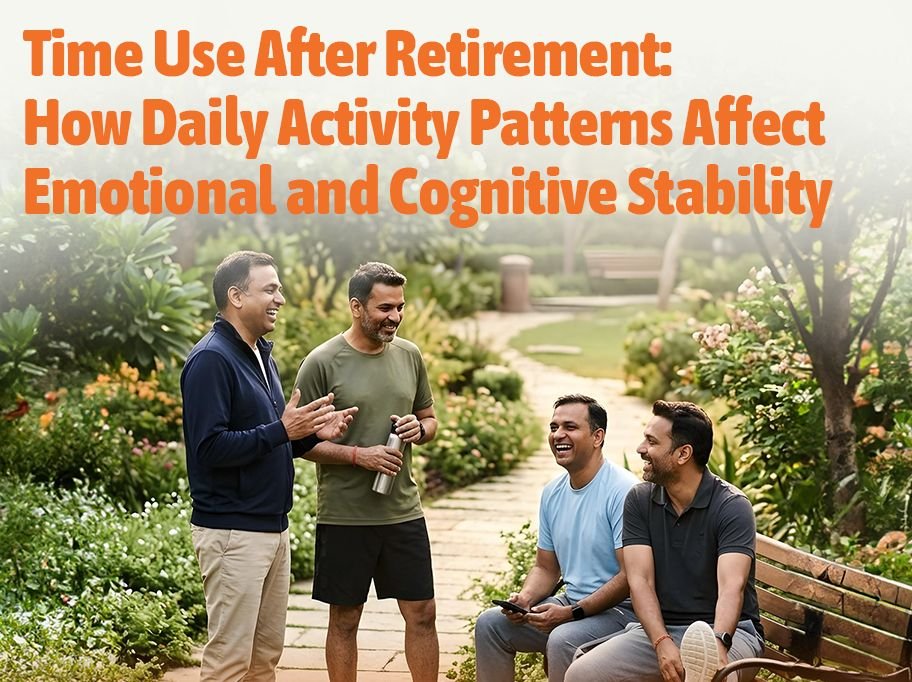
Retirement is not the end of a routine. It is the beginning of a new one, and the way seniors structure their day can have a real impact on mood, focus, memory, and overall emotional balance. For many older adults, the difference between feeling settled and feeling adrift often comes down to how time is used across the day, not just how much time is available.
Why routine still matters
After years of work-driven schedules, retirement can feel liberating at first. But without a steady rhythm, the day can become fragmented, and that often affects how people think and feel. Research on healthy ageing consistently shows that regular daily structure supports mental well-being, while inactivity and social isolation are linked with higher risks of depression, anxiety, and cognitive decline.
A well-paced day does not need to be rigid. It simply needs a shape. When seniors have predictable anchors such as waking up at a similar time, taking meals regularly, moving their body, and engaging with others, the mind tends to feel more stable and less overwhelmed.
The link between activity and stability
Daily activity patterns influence the brain in subtle but powerful ways. Physical movement supports blood flow, sleep quality, and emotional regulation, all of which help preserve cognitive function over time. Mental activities such as reading, puzzles, conversations, or learning something new can also strengthen attention and recall, especially when they are part of a consistent routine.
There is also an emotional side to time use. Empty stretches with no purpose can make loneliness feel louder, while meaningful activities tend to create a sense of control and self-worth. That is why the best retirement lifestyle is usually not the most leisurely one, but the most balanced one.
A healthy day looks balanced
A strong retirement routine usually includes a mix of movement, stimulation, rest, and connection. The goal is not to stay busy for the sake of it, but to keep the day rich enough to support both emotional and cognitive health.
- Morning movement, such as a walk or light stretching, helps set a steady tone for the day.
- Midday social time, such as a chat with neighbours or family, supports emotional connection.
- Afternoon mental activity, such as reading or hobbies, keeps the brain engaged.
- Evenings with calm, predictable habits help reduce stress and improve sleep quality.
When these patterns repeat over time, they create familiarity. Familiarity, in turn, lowers anxiety and gives the day a comforting sense of order.
What happens without structure
A retirement schedule that is too unstructured can slowly work against well-being. Long periods of inactivity may lead to reduced motivation, lower mood, and a weaker sense of purpose. Over time, irregular sleep and inconsistent meals can also affect concentration and memory.
This is especially important for seniors living alone or after major life changes. In those situations, the absence of a daily rhythm may not feel dramatic at first, but it can gradually increase emotional vulnerability. That is why thoughtful routines are often a protective factor, not just a preference.
Spaces shape habits
The environment plays a major role in how retirees spend their time. A home that feels accessible, social, and safe makes it easier to maintain healthy habits. When walkways are easy to navigate, shared spaces invite interaction, and wellness amenities are nearby, daily activity becomes more natural and less forced.
That is one reason Premium retirement homes in NCR are gaining attention among families who want more than just housing. People are also looking for Senior citizen housing in Gurgaon, where access to healthcare, transport, and social infrastructure can support active ageing. Well-designed communities make it easier to build routines that protect both emotional and cognitive stability.
Choosing the right setting
The best senior living environments do more than provide comfort. They make it easier for residents to stay engaged, independent, and socially connected. In practice, that means homes that support movement, encourage community interaction, and reduce daily friction.
A senior-friendly community can offer:
- Easy accessibility for older residents.
- Spaces for socialising, wellness, and recreation.
- A calmer environment that supports mental ease.
- The kind of independence that still feels supported.
This is exactly why interest in Upcoming senior citizen projects in Gurgaon continues to rise. Families are increasingly looking for Senior-friendly homes in Gurgaon that combine comfort with long-term practicality, especially for parents who want to live actively without the burden of maintaining a large, isolated home.
J Estates and the future of senior living
The future of retirement housing is moving toward communities that understand how seniors actually live, not just where they live. J Estates is part of that shift, with a vision to create senior living spaces that support dignity, connection, and daily ease in a meaningful way. Its planned senior living projects in Gurugram reflect a growing focus on age-friendly housing that is designed around access, safety, and a better quality of everyday life.