Blog
Dehydration in Seniors: Why It Is More Dangerous Than Most Families Realise

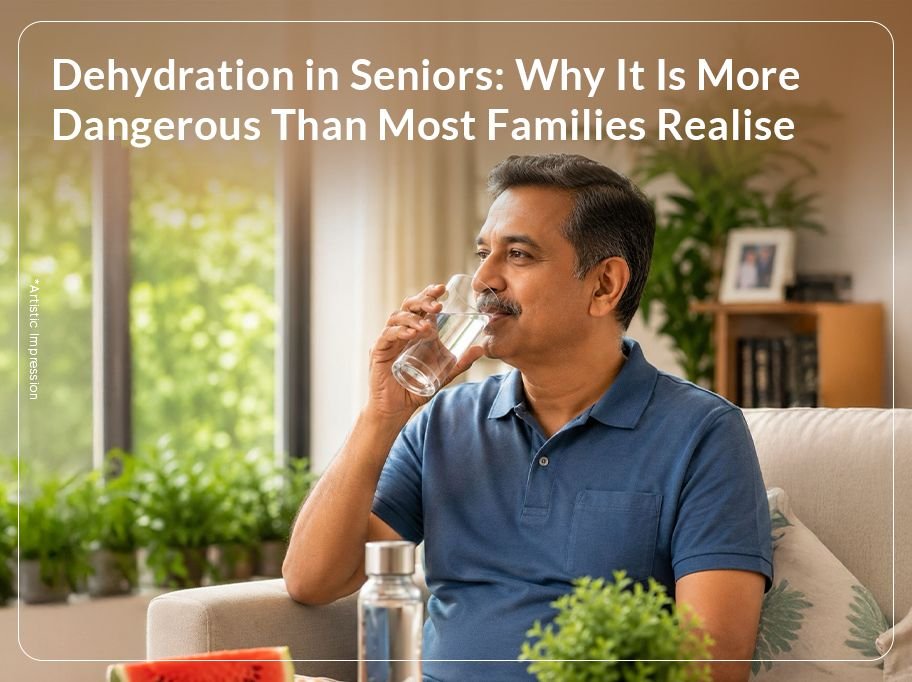
For many families, dehydration sounds like a minor issue. A little water, a bit of rest, and the body usually recovers. But for older adults, the story is very different. As people age, the body becomes less efficient at sensing thirst, which means a senior may already be dehydrated before they feel the need to drink.
That is what makes dehydration in seniors so easy to overlook and so important to understand. It can affect balance, memory, energy, and overall health long before it becomes obvious. In a senior living environment, where daily routines and wellness support are built into the day, dehydration can be caught earlier and prevented more consistently.
Why seniors do not always feel thirsty
In younger years, thirst is usually a dependable signal. With age, that signal weakens. Clinical sources note that older adults often have a blunted thirst response, along with reduced kidney function and a lower reserve of body water, which together make dehydration more likely.
This is why simply waiting for a senior to ask for water is not enough. Some avoid drinking because they do not want frequent bathroom trips. Others may forget, drink less during the day, or not recognise the early signs that their body needs fluids.
The early warning signs
Dehydration does not always begin with dramatic symptoms. In many older adults, the first signs are subtle and easy to dismiss. Families should watch for:
- Dry mouth or cracked lips.
- Darker urine or reduced urination.
- Fatigue, weakness, or low energy.
- Dizziness or lightheadedness.
- Muscle cramps.
- Irritability or confusion.
These signs matter because even mild dehydration can affect daily stability and alertness in seniors. What looks like “a tired day” may actually be the body asking for fluids.
Why the risk is higher with age
Older adults are more vulnerable to dehydration for several reasons. They naturally have less total body water, may take medications that increase fluid loss, and often face health or mobility issues that make regular drinking harder to maintain. Hot weather, illness, and reduced appetite can increase the risk further.
The danger is not only dehydration itself. It can also contribute to falls, confusion, low blood pressure, and a general decline in strength. For families, that makes hydration a safety issue, not just a comfort issue.
How daily routines can help
One of the best ways to prevent dehydration is to make hydration part of the routine rather than something a senior has to remember on their own. Small, steady habits work better than waiting for thirst to appear. Guidance from health sources suggests sipping fluids through the day, keeping water nearby, and including water-rich foods in meals.
A practical approach can include:
- A glass of water first thing in the morning.
- Small sips at regular intervals through the day.
- Soups, fruits, and other water-rich foods.
- Easy access to water without having to ask for it.
- Gentle reminders from family or caregivers when needed.
These habits may sound simple, but they are exactly what helps older adults stay steady, alert, and comfortable.
Why community living makes a difference
This is where the right community can quietly improve daily wellbeing. In a well-planned senior living setting, hydration is easier to manage because the environment itself supports healthier habits. Meals are scheduled, water is accessible, daily routines are more predictable, and care teams are better placed to notice small changes early.
That matters for families looking at Premium retirement homes in NCR, Senior citizen housing in Gurgaon, Upcoming senior citizen projects in Gurgaon, and Senior-friendly homes in Gurgaon because the real value is not only in the address or design. It is in the reassurance that daily health concerns are being handled with thought and consistency.
For seniors, that can mean fewer missed signals and more confidence in everyday life. For families, it means less worrying about whether a parent has had enough water, eaten well, or needs attention before a small issue becomes a bigger one.
The J Estates vision
At J Estates, the vision is to create senior living spaces where wellness is built into the way people live, not added as an afterthought. As our community takes shape, the focus remains on comfort, dignity, and thoughtful design that supports ageing with confidence.
That is what modern senior living should do. It should make everyday life easier, safer, and more reassuring for both seniors and the families who care about them. That vision is now moving from idea to reality at J Estates.